
Perfumes come in many forms, from light, refreshing fragrances to rich, concentrated scents for evenings and special occasions. Some people prefer a fresh fragrance for everyday wear, while others enjoy warm, woody, floral, or sweet scents. With so many choices available, understanding the different types of perfume can help you find a fragrance that suits your preferences, lifestyle, and budget.
Names such as Parfum, Eau de Parfum, Eau de Toilette, Eau de Cologne, and Elixir can be confusing, especially when you are buying perfume online. Other products, including Attar, perfume oils, body mists, and solid perfumes, offer different ways to enjoy fragrance. This guide introduces the main perfume types, explains their basic differences, and helps you understand what to consider before buying.
Types of Perfume by Concentration
1. Parfum or Extrait de Parfum
Parfum, also called Extrait de Parfum or perfume extract, is generally one of the more concentrated fragrance formats. It can offer a rich scent experience, although its strength and longevity depend on the formula. Parfum may appeal to people who enjoy concentrated fragrances for everyday use or special occasions.
2. Eau de Parfum (EDP)
Eau de Parfum is one of the most popular perfume types. It is generally more concentrated than Eau de Toilette, although formulations vary between brands. EDP fragrances are available in many styles, including fresh, floral, woody, spicy, sweet, and musky scents. They can be suitable for work, casual outings, dinners, and special events.
3. Eau de Toilette (EDT)
Eau de Toilette is often lighter than Eau de Parfum and is commonly chosen for daytime wear, work, casual outings, and warm weather. Some EDT fragrances are fresh and airy, while others have a bold, distinctive character. Their strength and longevity depend on the particular formula.
A well-known example is Gucci Guilty Pour Homme Eau de Toilette, a men’s fragrance featuring aromatic, floral, and woody notes. It provides a useful example of the Eau de Toilette category when comparing different perfume types.
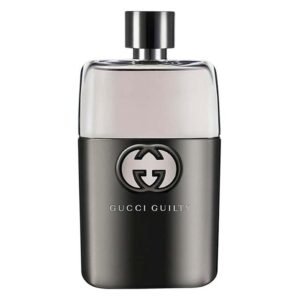
Check Gucci Guilty Pour Homme Eau de Toilette on Amazon
Check the current Amazon listing for the exact bottle size, seller, availability, and price before purchasing.
4. Eau de Cologne (EDC)
Eau de Cologne is traditionally a light fragrance format associated with citrus and fresh aromatic notes. It may suit people who prefer a subtle fragrance rather than a strong scent. The word cologne is also commonly used informally to mean men’s fragrance, but Eau de Cologne has a more specific meaning as a fragrance category.
5. Eau Fraîche
Eau Fraîche is generally designed to provide a light, refreshing scent. Some versions have a relatively low fragrance concentration and may contain more water than conventional alcohol-based perfumes. Its precise composition, strength, and longevity depend on the product.
6. Elixir Perfume
Elixir is a term used by fragrance brands for particular perfume versions, often marketed as richer, deeper, or more intense than another fragrance in the same collection. However, Elixir is not a universally standardized concentration category. One brand’s Elixir can differ significantly from another’s, so check the specific product description rather than assuming it is always the strongest or longest-lasting option.
7. Intense, Absolu and Extrait Versions
You may also see terms such as Intense, Absolu, Parfum Intense, and Extrait on fragrance bottles. These names often describe a particular interpretation or version of a perfume. They may indicate a richer scent profile or a different formulation, but their meanings vary between brands.
Other Types of Perfume and Fragrance Products
8. Perfume Oil
Perfume oil contains aromatic ingredients in an oil-based formula rather than the conventional alcohol-based spray format. It may come in a rollerball, dropper bottle, or small applicator. Some perfume oils create a subtle scent close to the skin, while others are quite noticeable. Their strength and longevity depend on the formula.
9. Attar or Ittar
Attar, also spelled ittar or itr, is a traditional fragrance associated with South Asian and Middle Eastern perfumery. It is commonly sold as a concentrated oil and may feature rose, jasmine, sandalwood, oud, musk, or other aromatic materials. Some traditional attars are produced through distillation, while modern products may use different methods and ingredients.
Attars are often applied in small quantities and are available in many scent styles. However, the name alone does not guarantee that a product is natural, alcohol-free, or made using traditional methods, so check its ingredients and description before buying.
10. Alcohol-Free Perfume
Alcohol-free perfume is formulated without alcohol as a fragrance carrier. These products often use oils or other bases and may appeal to people who prefer an oil-based application. Alcohol-free does not automatically mean hypoallergenic or suitable for every sensitive skin type, so review the ingredients before use.
11. Solid Perfume
Solid perfume is a balm-like fragrance usually presented in a small tin, compact, or jar. It is applied directly to the skin with a fingertip. Its portable format makes it convenient for travel, handbags, and discreet application without spraying.
12. Body Mist
Body mist is generally a lighter fragrance product intended for casual use or whenever you prefer a soft scent. It is available in many styles, including fruity, floral, sweet, tropical, and fresh fragrances. Body mists may need more frequent reapplication than some concentrated perfumes, although performance varies.
13. Body Spray and Fragrance Spray
Body spray is a broad term that can refer to fragrance sprays, deodorant sprays, and other personal-care products. A fragrance spray adds scent, while a deodorant spray is intended to help control body odour. These functions are not interchangeable, so read the label carefully before buying.
14. Hair Perfume
Hair perfume is specifically designed for use on hair. It can add a pleasant fragrance and complement a regular perfume. Follow the manufacturer’s directions, because ordinary perfume may not be suitable for direct application to hair and may contribute to dryness.
15. Aftershave and Aftershave Balm
Aftershave products are intended for use after shaving. Traditional aftershave splashes may contain alcohol and fragrance, while balms often have a creamier texture. Although some aftershaves have a noticeable scent, their purpose differs from that of a dedicated perfume.
16. Solid Cologne
Solid cologne is a balm-like fragrance marketed as cologne and applied directly to the skin. Despite the name, it is defined mainly by its solid format rather than the traditional liquid Eau de Cologne concentration. It can be convenient for carrying in a pocket or bag.
17. Travel Perfumes and Miniature Bottles
Travel perfumes and miniature bottles contain smaller quantities of fragrance in portable packaging. They are convenient for holidays, commuting, and carrying a favourite scent away from home. A travel-size perfume may contain EDP, EDT, or another fragrance type; the term describes the size and packaging rather than the concentration.
18. Perfume Samples and Discovery Sets
Samples and discovery sets let you try one or several fragrances before buying a full-size bottle. They are useful for beginners and for people comparing different brands or scent families. Check whether a set contains spray vials, miniature bottles, or other sample formats before ordering.
19. Deodorants and Antiperspirants
Scented deodorants help control body odour, while antiperspirants are designed to reduce sweating. They are available as sticks, roll-ons, creams, and sprays. Some products combine fragrance with odour-control ingredients, but conventional perfume should not be treated as a replacement for deodorant or antiperspirant.
20. Scented Lotions and Fragrance Layering Products
Scented body lotions, shower gels, creams, and oils can complement a perfume. Some fragrance collections offer matching products that help create a coordinated scent routine. These are not all perfumes in the strict sense, but they are part of the wider fragrance market.
Common Perfume Scent Families
Perfumes can also be classified by how they smell. Citrus and fresh fragrances often have bright, clean-smelling notes. Floral fragrances feature flower-inspired notes such as rose, jasmine, or orange blossom. Woody fragrances may include sandalwood, cedarwood, or vetiver, while amber and spicy fragrances often have warm, rich, or resinous characteristics.
Aquatic fragrances evoke water or sea air, while green and aromatic fragrances may suggest herbs, leaves, or freshly cut grass. Gourmand fragrances feature sweet notes such as vanilla, caramel, chocolate, or coffee. Oud fragrances often have woody, smoky, or resinous characteristics, while leather and tobacco-inspired fragrances may smell dry, earthy, smoky, or warm.
Many perfumes combine several scent families, so these categories are helpful guides rather than strict divisions. A fragrance may open with citrus, develop floral or spicy notes, and settle into a woody or musky base.
How to Choose the Right Perfume
Start by considering your preferred scent and when you plan to wear it. A fresh fragrance may suit daytime activities, while a richer scent may appeal to you for evenings or special occasions. There is no universal rule that a particular concentration, fragrance family, or price is best for everyone.
Consider the bottle size, price, seller, and how the fragrance performs on your skin. If you are uncertain, try a sample or travel spray before buying a full-size bottle. Remember that a perfume described as Elixir, Intense, or Absolu is not automatically better or longer-lasting than every EDP or EDT.
If your main concern is staying fresh after exercise or physical work, combine appropriate hygiene with a suitable deodorant or antiperspirant. Perfume can add a pleasant scent, but it does not necessarily remove sweat or control body odour.
Final Thoughts
The world of perfume includes much more than Eau de Parfum and Eau de Toilette. Parfum, Eau de Cologne, Eau Fraîche, Elixir, Intense versions, attars, perfume oils, solid perfumes, body mists, hair perfumes, aftershaves, and travel sprays all offer different ways to enjoy fragrance.
The most important step is to understand what each label means, because not every term follows a universal standard. Explore different scent families, test fragrances when possible, and compare product details before purchasing. Once you understand these basics, you can explore individual perfume reviews, comparisons, and recommendations with greater confidence.
Affiliate disclosure: This article contains an affiliate link. The publisher may earn a commission from qualifying purchases at no additional cost to the buyer.